Milk Churns at Dawn: A Night in Italy’s Working Farm Huts
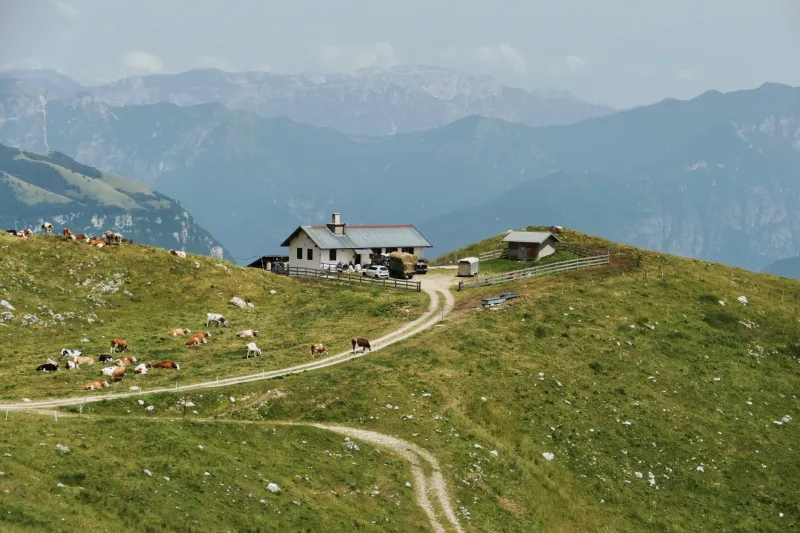
Some alpine sleeps are all about the view. A farm rifugio is about the view, the milk churn and the smell of hay drifting up the stairs. You arrive with dusty boots, get handed a jug of water and realise the lowing you can hear is not distant scenery but the neighbours. For UK walkers used to fell shelters, bothies or a well-run Italian rifugio, a night above a working dairy is a small but memorable shift in gear.
What a malga actually is
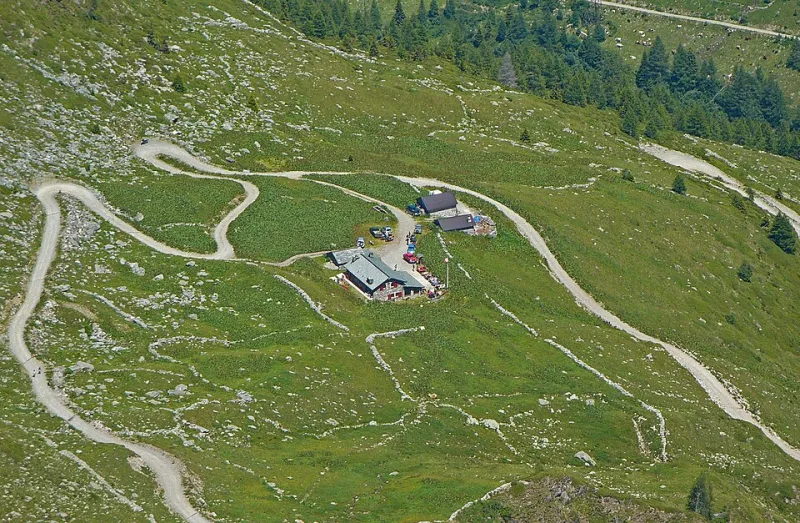
In the Italian Alps, a malga is a summer farmstead: cows, goats or sheep grazing high ground, milk turned into cheese and butter, and a family or small team living around the rhythm of milking. Some malghe have rooms for walkers. Others are linked to a rifugio, or have evolved into one. The result is not a single, standard product. You might get a stone building with a handful of beds, a long shared table and a washroom down the corridor. You might get a farm stay with private rooms and a proper menu. What ties them together is that the farm is the point, not a theme-park backdrop.
That matters for expectations. This is not a hotel with a cow print on the duvet. It is a working smallholding in the mountains, and your visit fits around its day.
The night has a soundtrack
Farm rifugi are rarely silent. Cows move, bells clank, a tractor starts early and someone is clattering buckets before you have found your socks. If you are a light sleeper, pack earplugs and treat them as essential kit rather than an admission of weakness. The upside is that you wake to something real: milk going into the churn, shutters opening, the first pot of coffee on the stove.
Ask about the milking times when you book. Some farms welcome guests to watch; others prefer you keep clear of the barn for safety and hygiene. Either way, do not wander into the dairy in your walking boots. A clean pair of shoes or socks for indoors is a small courtesy that goes a long way.
Dinner is not a tasting menu
This is where farm rifugi can be misunderstood. Yes, the cheese is often excellent. Yes, the butter may ruin supermarket butter for you for a while. But the meal is usually honest mountain food: polenta, cheese, eggs, cured meat, vegetables from the garden, maybe a simple tart. It is not a multi-course gourmet package tour, and it is better for it. You eat what the farm and the season provide, often at a shared table, often with a carafe of local wine.
If you are vegetarian or have allergies, say so when you book rather than at the table. Smaller farms buy and cook to a plan, and a little notice is fair. Also ask whether dinner is included. Some farm rifugi offer half-board only; others have a small menu. Cash is still useful in this corner of the Alps, even in 2026.
How it differs from a classic rifugio
Classic alpine huts tend to sit high, operate around walkers and climbers, and feel like mountain infrastructure: dormitories, a drying room, a busy warden and a menu built for hungry people coming off a pass. A farm rifugio is lower and more rural, though not always easy to reach. Its timetable bends around livestock. The welcome can be warmer, but also more matter-of-fact. You are a guest on a farm, not a customer in a mountain hotel.
That means a few practical differences. Arrival windows may be strict. Boots stay outside. Dogs may be working animals rather than pets. And the family may be utterly worn out after a long day of haymaking. Read the booking confirmation properly and turn up when you say you will.
Where to look without booking a coach tour
You will find farm stays scattered through the Italian Alps, but they are not evenly spread. Trentino-Alto Adige has a strong culture of malghe and farm-linked rifugi. The Asiago plateau in Veneto, the side valleys of Lombardy, the Carnia region of Friuli and quieter corners of the Aosta Valley all reward a bit of digging. Search in Italian for malga with pernottamento, or look for rifugi that mention an azienda agricola. Tourist board lists are useful, but the best finds often come from a paper leaflet in a village bar.
Use maps to check the approach. A farm rifugio can be a short walk from a road and still feel beautifully remote. It can also be at the end of a steep track with no bus and no taxi. If you are arriving by train, as many UK walkers do, build in a taxi or a longer walk rather than assuming a lift.
A word on the cheese
Buy some for the trail. Hard cheeses travel better than soft ones, especially if you are stuffing them into a rucksack on a warm afternoon. If you plan to bring dairy home to the UK, check current government guidance before you pack a suitcase of unpasteurised cheese. Rules change, and nobody wants a fridge full of regret at customs.
The morning after
The best part of a farm rifugio night is often the hour after breakfast. The day walkers have not arrived, the cows have been moved, and the yard is quiet apart from a hose running and a dog doing the rounds. You pull on your boots, buy a wedge of cheese for later and step back onto the path. It is a gentler alpine sleep than a high hut, but no less memorable. Bring earplugs, an appetite and a bit of patience with the milking schedule. The cows were there first.