Where the Crowds Thin Out: A UK Walker's Case for Aosta Valley Rifugi
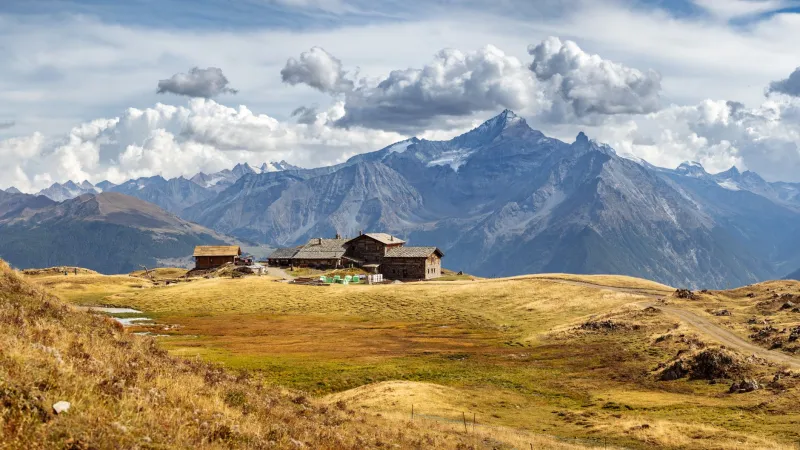
The Dolomites get the postcards. The Aosta Valley gets the quiet. For UK walkers who have done a season of Lake District bothies, a first Alpine hut night in Italy can feel like a leap: higher, hungrier, and considerably more Italian. But the leap does not have to land in the busiest corner of the Alps. The Aosta Valley, tucked against France and Switzerland in Italy's north-west, offers a gentler introduction and a very good reason to leave the Dolomites for another year.
Why look past the Dolomites?
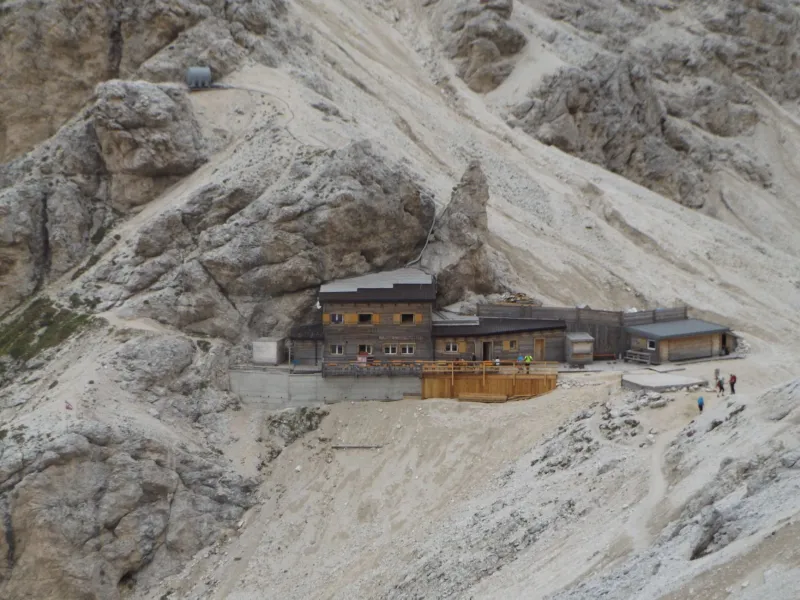
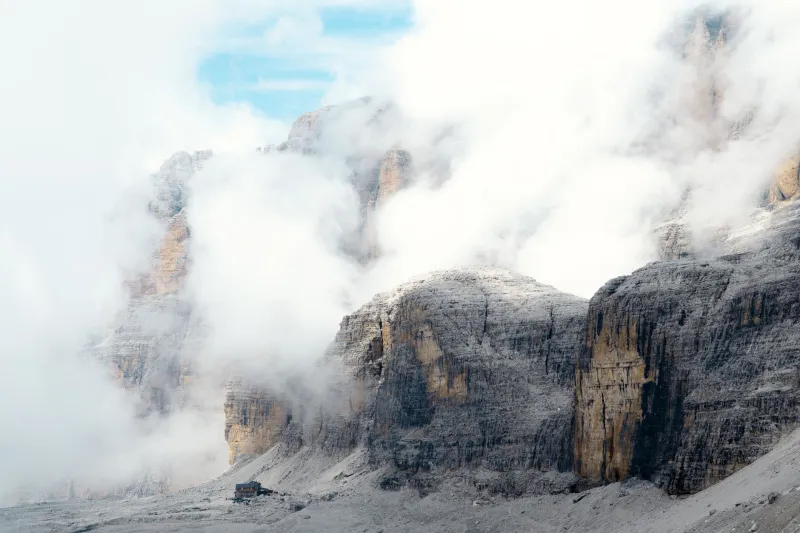
Nothing against the Dolomites. The rock is theatrical, the rifugi are legendary, and the coffee is reliably good. But the honeypots are honeypots for a reason, and in August the main circuits can feel like a ribbon of rucksacks. The Aosta Valley is not empty, but it is quieter. You are more likely to share a dorm with Italian families, French day walkers and the occasional ibex than with a coach party following the same guidebook page as you.
That matters for a hut trip. The pleasure of a rifugio is not just the bed and the bowl of pasta. It is the hour before dinner, when boots are off and the valley goes soft, and nobody is queuing for the panorama. Aosta Valley huts tend to major in that hour.
Two national parks on your doorstep
The region has an unfair share of big scenery. Gran Paradiso, Italy's oldest national park, gives you high valleys, glaciers and a network of rifugi that feel properly alpine without the circus. Mont Blanc is right there too, with the Italian side offering a calmer counterpoint to Chamonix.
Think of the valley as a series of hut bases rather than one grand tour. Cogne and Valnontey are good for wooded walks and the Rifugio Vittorio Sella. Valsavarenche leads up towards Rifugio Vittorio Emanuele II and Rifugio Chabod, both classic Gran Paradiso stops. Courmayeur gives you Rifugio Bertone and the balcony path towards Rifugio Bonatti in Val Ferret, one of the great easy-access high walks in the Alps. La Thuile and the Rhemes valley are quieter still, with the sort of paths where you can walk for an hour without meeting anyone.
Huts that feel like huts
Aosta Valley rifugi are not uniform. Some are old stone buildings with low ceilings and a stuffed marmot in the corner. Some are modern and efficient, with solar panels and a decent wine list. What they share is a certain unhurried rhythm. Dinner is at a set time. The dorm may be a dorm. The shower may cost a few coins, or may be theoretical. But the welcome is usually genuine, and the food is unapologetically local: fontina, mocetta, polenta, rye bread, and a genepy at the end if you have earned it.
That is the hut culture many UK walkers are looking for. Not a hotel with a mountain view, but a place where the day's walk is the main event and the evening is spent talking rubbish in three languages.
Getting there without a car
This is the practical bit. Aosta Valley is not the simplest place to reach from the UK without flying, but it is far from impossible. The most straightforward rail route is Eurostar to Paris, a change across the city, then a TGV towards Lyon or Turin, and a regional train into Aosta. From Turin, the bus up the valley is easy. From Geneva, there are regular buses through the Mont Blanc tunnel to Courmayeur, which makes a fly-and-bus trip surprisingly sensible.
Once you are in the valley, local buses link Aosta with Cogne, Valsavarenche, Courmayeur and La Thuile. They are not always frequent, and they are not always timed around your lie-in, but they work. A hut trip here rewards a little timetable study rather than a hire car. For a 2027 trip, start with the bus timetables before you fall in love with a rifugio.
What a week actually costs
Aosta Valley is not a budget destination, but it is less eye-watering than the most famous Dolomite villages. Most rifugi charge roughly 30 to 40 euros for a dorm bed and 25 to 35 euros for dinner. Half-board often lands between 60 and 85 euros. Add a few lunches, a bus ticket or two, and a beer at altitude, and a five-night hut week can sit comfortably under 500 euros on the ground if you are sensible.
Travel from the UK is the variable. A well-booked rail trip via Paris can cost less than you fear, especially outside peak dates. Flights to Turin or Geneva may be cheaper, but remember the bus transfer. Either way, this is a region where a week of huts and travel can be done for a sensible mid-range budget rather than a once-in-a-decade splurge.
A sensible first route
If you want a taster rather than a full traverse, base yourself in Courmayeur and use Rifugio Bertone as your first night. The walk up is short enough to test your legs and long enough to earn dinner. From there, the balcony path towards Rifugio Bonatti is a classic: high, airy, and generous with views of the Mont Blanc massif without demanding glacier travel.
For a Gran Paradiso flavour, take the bus to Valsavarenche and walk up to Rifugio Vittorio Emanuele II. It is a proper high hut, but the path is straightforward. Spend the night, walk a little higher the next morning, then descend. Two huts, two valleys, no car. That is a very good first Aosta Valley trip.
When to go and how to book
Late June and September are the sweet spots for UK walkers: fewer people, cooler walking, and a good chance of stable weather. July and August are busier but still calmer than the Dolomites. Book ahead for weekends and any hut on the Tour du Mont Blanc circuit, but leave room for a spontaneous night. Aosta Valley rewards a loose plan.
For 2026 trips, you are already late for the most popular summer weekends but not too late for quieter rifugi and autumn nights. For 2027, start looking in the new year and book the huts that matter most. The rest can wait.
The Aosta Valley will not stay a secret forever. But for now, it is the other Italian Alps: quieter, cosier, and very good at making a UK walker feel like they have found the back door to the mountains.