Downhill Does You Good: The Case for Booking the Lower Hut
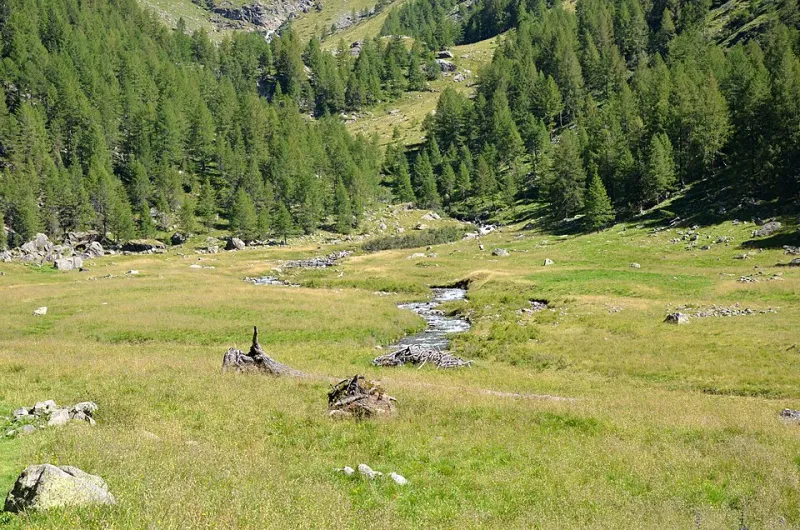
Photo: GianoM, CC BY-SA 4.0, via Wikimedia Commons
Most of us have done it: opened a map of the Italian Alps, found the rifugio with the highest number beside it, and felt a quiet glow of ambition. The summit hut. The one above the cloud line. The one that makes a good story in the pub back home. It is a fine instinct — up to a point. But after enough nights in the mountains, a quieter truth emerges. Some of the best beds are not the highest ones. Sometimes the lower hut is the smarter booking, the better night’s sleep and the reason your next day goes right.
The altitude snobbery problem
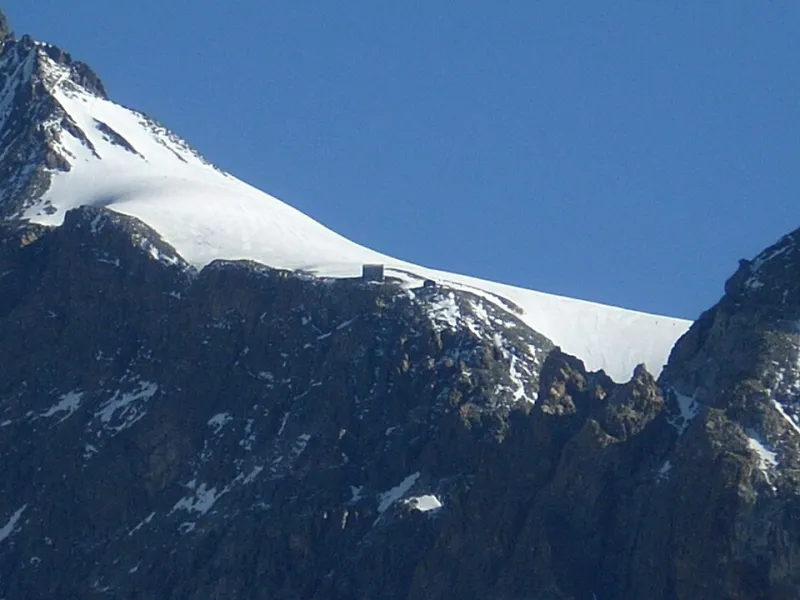
UK walkers come wired to equate height with seriousness. In the Lakes and Highlands, a high camp feels earned; a low one can feel like a compromise. In the Alps, that logic gets shaky. A rifugio at 1,500m can sit beside a bus stop, serve home-made strudel and put you within three hours of a high pass. A famous hut at 2,900m can be beautiful, crowded and thoroughly useless when the cloud comes down.
That is not an argument against high huts. It is an argument against defaulting to them. Altitude is one variable in a hut booking, not a scoreboard. Position, access, shelter, food and sleep matter just as much — and on a short UK-to-Italy trip, they often matter more.
Sleep is a mountain skill
Sleep is not a luxury on a hut trip; it is kit. At altitude, many people sleep badly: lighter, patchier, waking at odd hours. Add a dorm of strangers, a thin mattress and a wind that sounds like a train, and you can arrive at breakfast already behind schedule. A lower rifugio is usually warmer, has more oxygen and gives you a better chance of proper rest. That is not softness. It is preparation.
If you have ever lain in a top bunk at 2,700m listening to your own heartbeat while the shutters rattle, you know the feeling. The next day’s pass feels twice as high. A lower bed can turn the same walk from a grind into a pleasure.
Acclimatisation by stealth
‘Sleep low, walk high’ is old mountaineering advice, and it works for holiday walkers too. Use the first two nights to settle at 1,200m to 1,700m. Walk up to a shoulder or pass during the day, then come back down to a valley or mid-mountain hut. Repeat. By the time you move higher, your body has had a chance to adjust without the drama of a headache and a sleepless night.
This is especially sensible if you have flown in from the UK and gone straight to the hills. Manchester to a 2,500m dorm is a big jump. A lower base gives you a gentler start and a better chance of enjoying the big day when it comes.
Weather calls are easier from below
High huts commit you. That is part of their appeal. But when the forecast turns, a lower rifugio with a road, a bus and a second valley is not a failure — it is a chess move. You can walk high, retreat, dry your boots and try a different angle the next morning. A valley hut also gives you options for food, supplies and a warm room when the mountain is doing its worst.
On a short trip, flexibility is worth paying for. A lower hut often provides it without sacrificing the walking. You can still climb high; you simply sleep somewhere that lets you change the plan.
When the lower hut wins
- The first two nights. Give yourself a soft landing before the altitude and the dorm life begin in earnest.
- A thundery forecast. Lower huts offer bail-out routes, buses and alternative valleys.
- A mixed-ability group. Everyone can walk high, but not everyone needs to sleep high.
- Late season. Valley huts are often warmer and more sheltered when the first snow dusts the tops.
- You care about food and sleep. A family-run valley rifugio can beat a famous hut for dinner, linen and a quiet room.
When the high hut still wins
Be honest: sometimes the high hut is the right call. If you are doing a committed traverse, want a sunrise from the terrace, or need to avoid valley heat in August, sleep high. If the hut itself is the objective — a historic refuge, a remote perch, a night above the trees — go for it. Just do not let the number on the map make the decision for you.
A lower-base plan that works
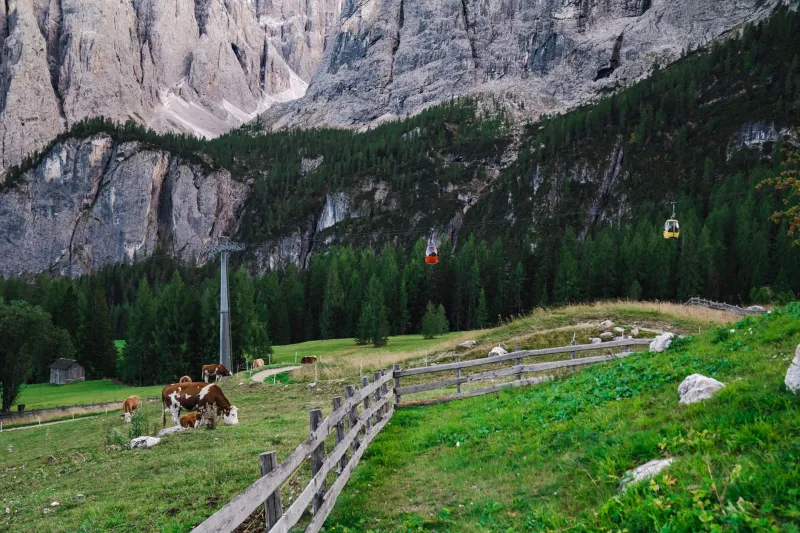
Book a valley or mid-mountain rifugio between 1,200m and 1,700m for the first two nights. Use a lift, bus or farm track to gain height. Walk a pass or high shoulder, then descend to the same bed. On day three, move up to a higher hut if the weather and your legs agree. It is not a compromise; it is a plan used by plenty of guides and mountain hosts who know how holidays actually work.
The view from the valley
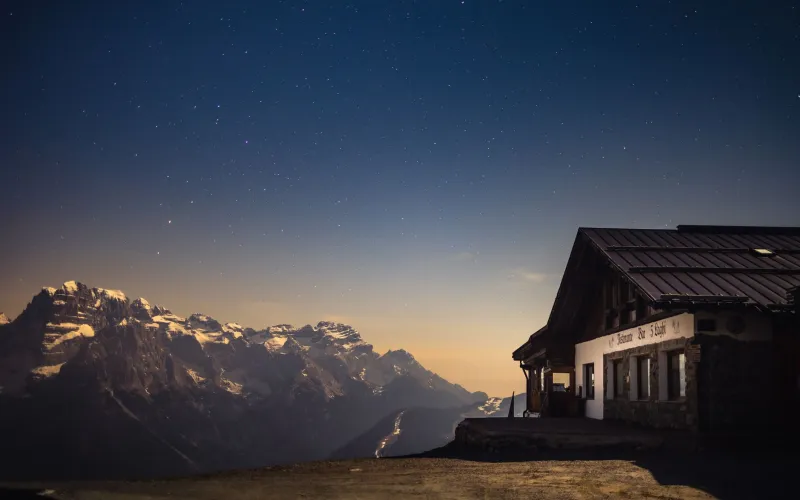
Lower huts have their own theatre: woodsmoke, polenta, laundry on a line, a host who knows the forecast before the app does. You may hear cows rather than wind. You may sleep through the night. And you may find that the mountain feels bigger, not smaller, when you are not exhausted.
So by all means book the famous hut. Just do not assume it is automatically the best bed. Sometimes the wisest booking is the one lower down the valley — the one you have never heard of, with the warm room and the early start. The mountain does not care where you slept. Your legs, however, do.