Leave the Keys at Home: Five Italian Hut Traverses That Begin at a Railway Station
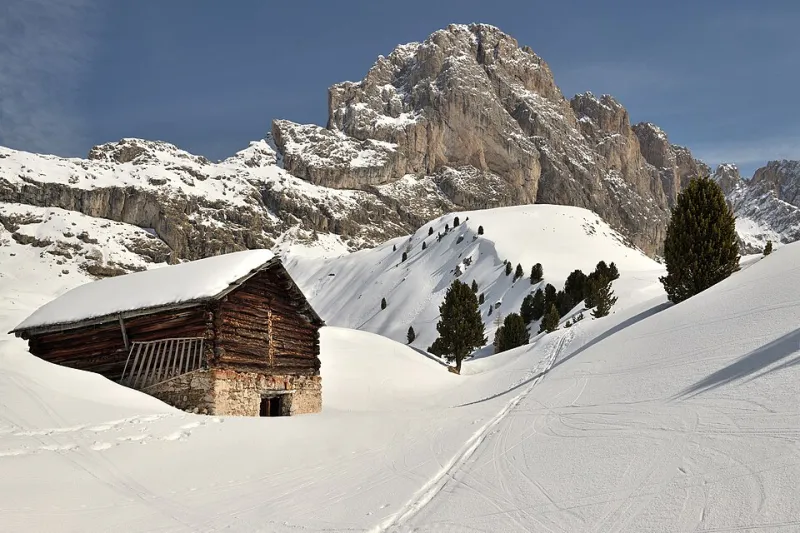
Photo: This Photo was taken by Wolfgang Moroder. Feel free to use my photos, but please mention me as the author and send me a message. This image is not in the public domain. Please respect the copyright protection. It may only be used according
Ask most UK walkers to picture an Italian alpine hut trip and they will imagine a hire car, a hairpin road and a car park full of nervous reversing. It does not have to be that way. Italy’s mountain valleys are stitched together by trains and buses, and a growing number of rifugio traverses begin within walking distance of a station. You can leave the keys at home, keep the flight count low and still spend your days above the clouds.
Why go car-free in the first place?
Mountain roads are narrow, parking near popular trailheads fills by mid-morning and the best huts are often reached by paths that no car can follow anyway. Going by train turns the journey into part of the holiday: a Eurostar to Paris, a high-speed change, then a slow climb into the valleys where the air cools and the peaks begin to show. You will also save a small fortune on car hire, tolls and fuel, and you will never have to negotiate a blind hairpin after a long day on the hill.
The boring but vital bits
Book your huts before you book your trains. Most rifugi take direct bookings by email or phone, ask for a deposit and confirm half-board — dinner, bed and breakfast — rather than room-only. Carry cash for the balance: card machines exist, but mountain signal does not. If you are a CAI member, mention it when booking; some huts offer a small discount. Check opening dates carefully, because many high rifugi close from late September until the snow melts.
For luggage, use station left luggage — deposito bagagli — in Chamonix, Aosta, Bolzano or Tirano, or leave a bag at a hotel you will return to. Better still, pack light enough to carry everything. A 30-litre pack with hut slippers, a sleeping-bag liner and one change of clothes is plenty for two or three nights.
1. Val Ferret and the Mont Blanc balcony
This is the classic Italian balcony walk, with the Grandes Jorasses across the valley and the Mont Blanc massif always somewhere above your shoulder. Take the Eurostar from London St Pancras to Paris, change stations for the TGV towards Chamonix, then use the local bus through the Mont Blanc tunnel to Courmayeur. From Courmayeur, walk up to Rifugio Bertone, traverse to Rifugio Bonatti and continue to Rifugio Elena, returning by bus. Two or three days is enough, and the views do the heavy lifting.
2. Alta Pusteria and the Tre Cime
For the Dolomites without a car, head for Dobbiaco on the Pustertal railway line. The journey is long but civilised: Eurostar to Paris, onward trains via Munich or Zurich to Fortezza, then the local train up the valley. From Dobbiaco, a bus reaches Sesto and the trailheads below the Tre Cime. Walk to Rifugio Locatelli, then Rifugio Lavaredo, and finish at Rifugio Auronzo for the bus back. The shapes of the three peaks at sunset are worth every minute of rail replacement bus and timetable checking.
3. Gran Paradiso from Aosta
The Gran Paradiso is Italy’s oldest national park and one of the best places in the Alps to see ibex without crowds. Take the train to Turin, then the line up to Aosta, and a local bus into the Valsavarenche. From Pont, walk to Rifugio Vittorio Emanuele II and on to Rifugio Chabod, returning down the valley by bus. It is a short traverse, but the high, open setting and the chance of spotting chamois on the skyline make it feel much bigger than the miles suggest.
4. Val di Fassa and the Sella plateau
Bolzano is the gateway here: trains from Paris via Zurich or Milan, then a bus to Canazei. From the village, walk up to Rifugio Contrin, cross to Rifugio San Nicolò and continue to Rifugio Vicenza before dropping to Passo Pordoi for the bus. This is Dolomite walking at its most theatrical, with limestone towers, larches and the kind of light that makes even a phone camera look clever. Two nights works well, and the buses at either end mean you never need to retrace your steps.
5. Stelvio and the Forni glacier
Take the train to Tirano — the Bernina line from Zurich is one of Europe’s great rail journeys — then a bus up to Bormio. From Bormio, walk to Rifugio Branca, continue to Rifugio Pizzini and, if the season allows, on towards Rifugio Cedec. This is high, serious terrain: check conditions, carry warm layers and do not treat the glacier views as a casual backdrop. The reward is a landscape of ice, scree and silence that feels a world away from the Channel Tunnel.
Making the logistics work
Italian local buses are generally reliable but thin on Sundays, and some mountain services need booking. Check timetables with the local tourist office before you commit to a hut, and always have a plan B that involves a shorter walk or an extra night. Carry a refillable water bottle, a few euros in coins and a printed list of hut phone numbers. Most importantly, tell your hut when you will arrive. If the weather turns, a phone call is worth more than a timetable.
The car-free alpine trip is not about hardship. It is about swapping the stress of parking for the pleasure of watching the mountains slide past the window. Start with one traverse, pack light, and let the trains do the boring part.