The Honesty-Box Night: Sleeping in Italy’s Unstaffed Mountain Shelters
Most mountain huts in the Alps ask you to book, pay a deposit and turn up for dinner at seven. Italy’s unmanned bivouacs ask something simpler and, in some ways, harder: leave the door as you found it, put a few euros in the tin and don’t treat the place like a free hotel. For UK walkers used to Scottish bothies, the idea is familiar. For everyone else, it’s a quiet lesson in trust — and a very good way to sleep high without spending much.
What You’re Actually Walking Into
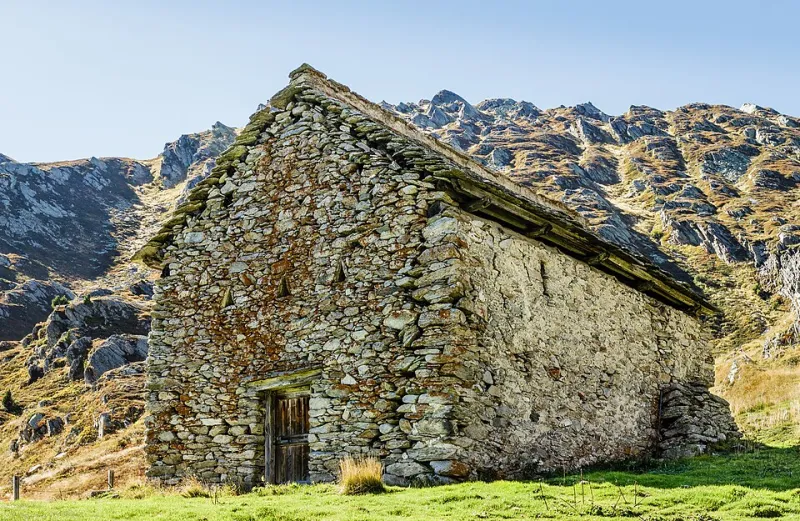
In Italy, a bivacco can mean anything from a rough emergency shelter to a permanent wooden cabin with bunks, a stove and a view worth the climb. The ones in this article are the fixed, non-staffed sort: small buildings owned or maintained by the Club Alpino Italiano (CAI), local committees or mountain communities. They usually sleep between four and twenty people, have basic benches or bunks, and offer no food, no warden and no guarantee of water.
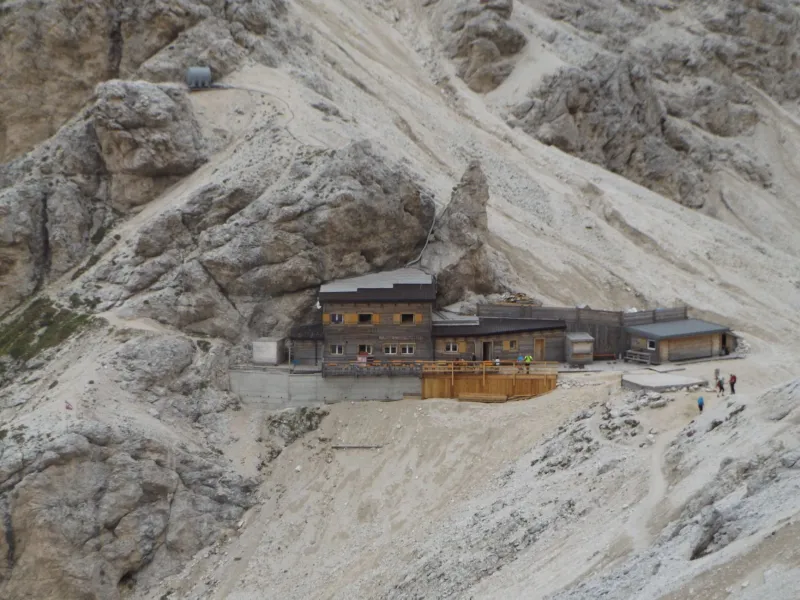
They are not wild camping with a roof. They are also not a rifugio. A rifugio has a manager, opening dates, a kitchen, blankets, a booking system and someone to tell you the weather has turned. An unmanned bivouac has a door, a guestbook if you’re lucky, and a honesty box that relies on everyone before you being decent.
The Rifugio Rule: Staffed Versus Self-Service
The distinction matters because UK walkers often use the words interchangeably. A staffed rifugio is a business, even when it feels like a family home. A self-service rifugio may have a locked food store and a winter room, but it still belongs to a managed hut. An unmanned bivouac is the barest version: you carry your own food, water, sleeping liner and common sense.
That also means you can’t turn up at 8pm, cold and hungry, and expect soup. If the weather is foul, the bivouac is full, or you’ve misjudged the approach, a staffed rifugio is not a luxury — it’s the correct tool for the day.
Cash in the Tin: Etiquette That Keeps the Door Open
The honesty box is the heart of the arrangement. Some bivouacs suggest €5–€15 per person per night; others ask for a donation towards wood, gas or maintenance. Carry small euro notes and coins, because a card won’t help you in a wooden box at 2,100 metres. If the box is full or broken, leave a note with your name, date and what you owe, and mention it to the local CAI section when you’re down.
Beyond cash, the etiquette is mostly about leaving the place better than you found it. Sweep the floor. Close the shutters and latch the door against wind and snow. Don’t burn the emergency wood if there’s a sign telling you not to. Don’t raid the first-aid kit, the blankets or the candle stash. Carry out every scrap of rubbish, including tea bags and the bit of pasta you didn’t finish. And if you find damage, report it rather than pretend you didn’t see it.
Think of it as a bothy with an Italian accent: shared, fragile and kept alive by people who never meet each other.
Water, Light and the Unlocked Door
Water is the big one. Many bivouacs have no supply at all, or a spring that runs in spring and disappears by August. Never plan on finding water at the hut unless you have confirmed it with a recent source. Carry enough for drinking, cooking and the walk out, plus a little spare. A filter is useful, but it doesn’t create water where there is none.
Light matters too. Take a headtorch and spare batteries. Some huts have solar lights; many don’t. Candles are not a reliable plan, and open flames in a wooden shelter with a sleeping stranger are a bad idea.
And what about the unlocked door with nobody home? That’s normal. Check for a notice, a guestbook or a booking sheet. Some bivouacs are first-come, first-served; others are unofficially reserved by groups at weekends. If it’s full, don’t squeeze in. Move on, descend, or pitch a tent only where it’s legal and sensible. The door being open is not the same as the place being yours.
Who These Nights Suit — and Who They Don’t
Unmanned bivouacs suit self-sufficient walkers who can navigate, carry their own shelter kit and cope with a night that might be cold, quiet and a little rough. They’re brilliant for fit couples, small groups of friends and solo walkers with experience. They’re less good for anyone expecting a shower, a mattress and breakfast, or for a first alpine trip where the weather is an unknown quantity.
They also don’t suit people who need certainty. If you’re travelling with young children, if you sleep badly at altitude, or if your idea of a mountain night includes a glass of wine and a menu, book a rifugio. There’s no shame in it. The bivouac will still be there next year.
Five First-Timer Bivouacs Worth Knowing
This is a shortlist to start your research, not a tick-list. Check current access, water and conditions with the local CAI section before you go.
- Bivacco Luca Vuerich (Julian Alps) — a modern, striking shelter with a relatively straightforward approach from the Sella Nevea area. Popular, so don’t expect solitude in August.
- Bivacco Marussig (Carnic Alps) — a classic wooden bivouac in rugged country, good for walkers who already know how to read a map and a weather forecast.
- Bivacco Toffolon (Dolomites) — a useful introduction to the bivouac style: simple, scenic and best paired with a proper rifugio night either side.
- Bivacco Corsi (Gran Sasso) — a different flavour of Italy, with big open ridges and a sense of remoteness that rewards early starts.
- Bivacco Bonatti (Dolomites) — a name that carries weight; treat it as a serious mountain shelter rather than a cheap bed and check the approach carefully.
When a Rifugio Is the Better Choice
Choose a rifugio if the forecast is doubtful, if you’re arriving late, if you need water or food, if you’re with children, or if it’s your first high-altitude night. Choose one if you want a shower, a cooked meal and someone else to worry about the gas. Choose one if the bivouac is full, or if the approach involves snow, ice or navigation you’re not confident with.
The bivouac is not a cheaper version of a rifugio. It’s a different kind of night: quieter, barer and more dependent on your own judgment. When it works, it’s one of the best-value sleeps in the Alps. When it doesn’t, you’ll be very glad the rifugio down the valley takes bookings.
Packing for a Night Nobody Is Watching
Take small euro notes and coins, a headtorch, a sleeping liner, a warm layer, enough water, a basic stove if fires are allowed, a first-aid kit, a map and compass, an emergency blanket and a rubbish bag. Add a light pair of hut shoes or thick socks, and leave the Bluetooth speaker at home. The bivouac is a shared shelter, not a festival tent.
And when you close the door behind you in the morning, do it properly. The next person might arrive in the rain at dusk, and the only thing between them and a bad night is the small kindness of the last person who left.