Breath, Sleep and the Staircase: What Altitude Really Does on Your First High Rifugio Night
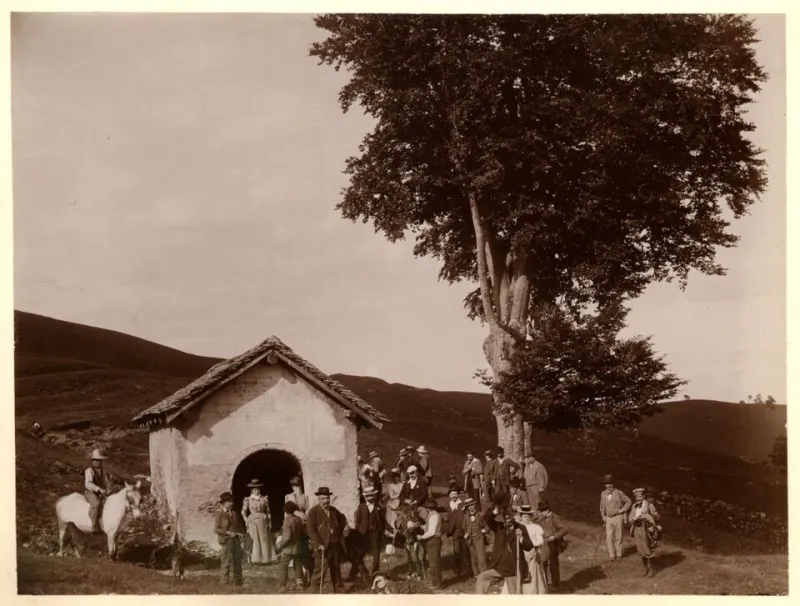
Photo: Mario Gabinio, CC BY 3.0 it, via Wikimedia Commons
The staircase is the first honest test
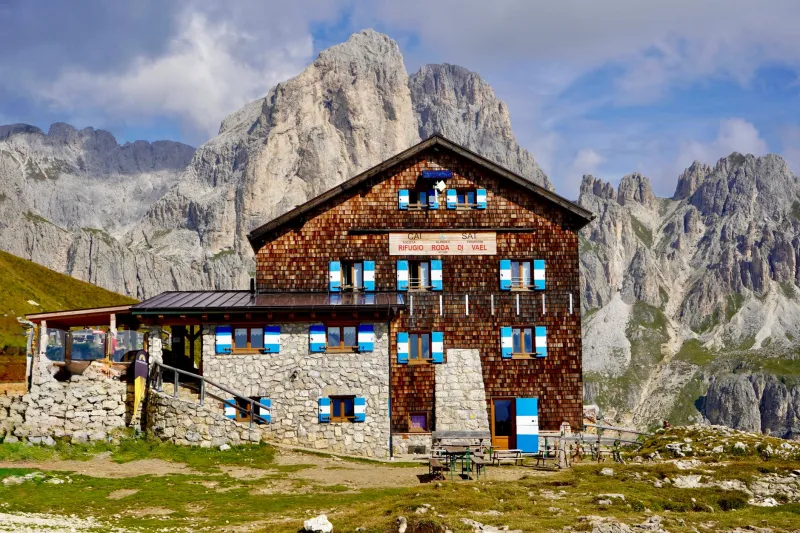
Most UK hillwalkers arrive at a high Italian rifugio with a decent set of lungs and a vague sense that altitude is something that happens to mountaineers in the Himalaya. Then they climb the wooden stairs to a dorm with a rucksack on and stop halfway, mildly astonished. The air is thinner, the effort is louder, and the hut suddenly feels a lot higher than it looked on the map.
That moment is normal. It is also useful. A rifugio at 2,200m or 2,600m is not Everest, but if you have spent the last few months walking in the Lake District, Snowdonia or the Scottish Highlands at heights that rarely trouble a cloud, your body will notice the change. The trick is not to panic, not to over-interpret every puff, and not to treat the hut as a summit to be conquered before dinner.
What “high” means for a hut night
In the Italian Alps and Dolomites, many classic rifugi sit between roughly 1,800m and 2,800m. For a UK walker, that is often the highest you have slept in years, possibly ever. At these altitudes the air still contains the same percentage of oxygen, but each breath delivers less of it because the pressure is lower. Your body responds by breathing a little faster, especially when you move, and by adjusting the balance of fluids and salts in your blood.
For most healthy walkers this is a minor inconvenience rather than a drama. You may feel a bit breathless on the stairs, wake more often in the night, or find that the smell of barley soup is less appealing than you expected. None of that automatically means something is wrong. It means your body is doing exactly what it should: adapting.
Pace like you mean to stay
The most reliable altitude strategy is also the least glamorous: go up slowly and stop often. If your day involves a cable car, a bus and then a two-hour walk to the hut, resist the urge to race the last section because you want first pick of the blanket. Arriving puffed and dehydrated is a poor way to start a night at height.
Walk at a conversational pace, even if that feels almost comically easy. Take breaks before you need them. On the final climb to the rifugio, shorten your stride and let your breathing settle whenever it starts to feel ragged. If you are doing a hut-to-hut traverse, try to keep the biggest height gain for the middle of the day rather than the last hour before supper. And if you have the option of a lower first night, take it. A night at 1,500m before a night at 2,500m is a gentle introduction, not a sign of weakness.
Water, salt and the temptation to skip dinner
Altitude tends to dry you out. You breathe more, you may sweat more than expected on a cool day, and hut air can be warm and stuffy. Drink steadily through the afternoon and evening rather than trying to catch up at bedtime. Water is usually available at rifugi, but it is worth carrying a bottle and filling it when you can. If you are sweating a lot, a salty snack or an electrolyte tablet in your bottle can help; ordinary crisps and soup often do the job just as well.
Loss of appetite is common on a first high night. The answer is not to force down a massive plate of polenta if your body is saying no, but it is worth eating something: bread, a little pasta, a few spoonfuls of soup. Arriving at dinner already exhausted and dehydrated makes everything less appealing. A gentle snack in the afternoon, a bit of rest and a proper drink can make the evening meal feel far more manageable.
Sleep will be strange, and that is allowed
A high rifugio dorm is not a wellness retreat. Add thin air to the usual soundtrack of rustling sleeping bags, creaking bunks and someone unzipping a bag at 5am, and you have a recipe for broken sleep. You may wake with a dry mouth, a slightly racing heart or the sense that you have been half-awake for hours. You may also sleep surprisingly well. Both are within normal range.
Try not to lie there doing altitude maths. Open a window if the hut allows it, sip water, and let yourself rest even if you are not fully asleep. A late afternoon nap can help, but keep it short so you are not staring at the ceiling at midnight. If you wake with a headache, take that as a prompt to drink and slow down rather than a reason to spiral.
The warning signs that mean go down
This is the important bit. Mild breathlessness on stairs, disturbed sleep and a reduced appetite are common and usually settle. But altitude illness can become serious, and the golden rule in the mountains is simple: if symptoms are getting worse, descend. Do not push on to a higher hut to “see how it goes”.
Watch for a headache that will not shift with water and rest, nausea or vomiting, dizziness, unusual tiredness, or a sense of confusion. Breathlessness at rest that does not improve, a cough, or a feeling that you cannot get enough air are red flags. So is any wobbliness, difficulty walking in a straight line, or behaviour that seems out of character. In a hut, tell the guardian or a companion how you feel. Do not quietly hope it passes while everyone else has pudding.
The standard advice is to descend if symptoms are severe or worsening, and to seek medical help. A lower altitude is often the best treatment. This is not about being dramatic; it is about being sensible. The mountain will still be there next summer.
Settle in, breathe, and enjoy the quiet
A high rifugio night is one of the great small adventures of an Alpine trip: the shutters, the blanket, the clatter of the dining room, the sudden quiet when the generator goes off. Altitude is part of that experience, not a test you have to pass. Go up steadily, drink more than you think you need, eat what you can, and treat a restless night as part of the deal rather than a failure. Most UK walkers adapt quickly enough to enjoy the view from the dorm window. And if the stairs still make you puff, that is simply the mountain reminding you that you are somewhere properly high.