The Boot Rack Speaks First: Ten Quiet Courtesies for a Better Night in an Italian Rifugio
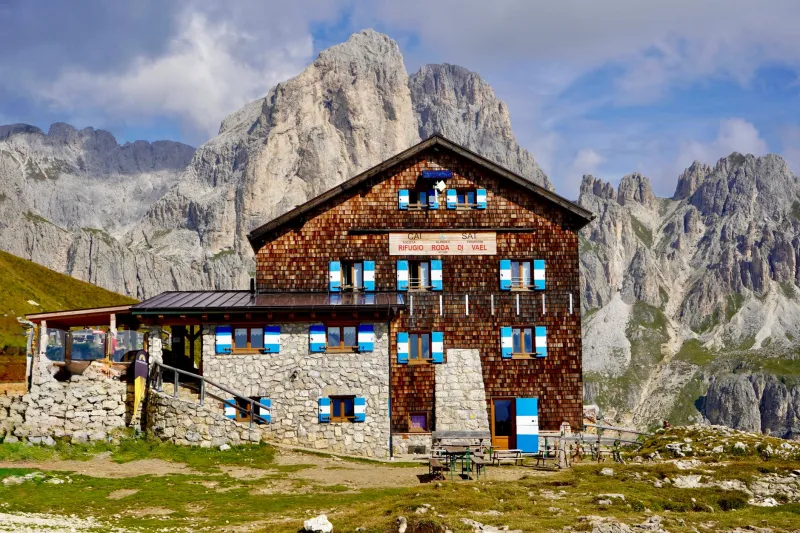
You can tell a lot about a UK walker by the way they enter a rifugio. Not by the rucksack, or the route card, or the fact they’ve brought a flask of tea up a mountain. It’s the pause at the door. The look for the boot rack. The lowered voice. Italian wardens are generous hosts: they will feed you, find you a blanket, and pretend not to notice that you’ve carried half of Cheshire uphill in a 45-litre pack. But there are small courtesies they’d rather not have to ask for. Think of this as the gentle version of the conversation they’re too polite to have.
1. Arrive in the afternoon, not at the dinner bell
We’re used to squeezing the last mile out of a day, especially when the light lasts and the views keep giving. But a rifugio is not a motorway services. Aim to arrive between mid-afternoon and late afternoon. That gives you time to settle, shower if there’s water, and let the kitchen plan its evening. If you’re running late, ring ahead. Wardens understand weather and tired legs; they don’t understand silence. A quick call in schoolboy Italian — ‘siamo in ritardo, arrivo alle sette’ — is worth more than a heroic sprint.
2. Carry euros, and don’t assume the card machine works
Italy has changed, but mountain huts still live closer to cash than contactless. Signal can vanish, solar power can sulk, and the card reader may be charging from a battery the size of a lunchbox. Bring small notes for drinks, snacks and extras. Don’t ask to split a four-euro coffee across three cards at 7am. If the hut does take cards, lovely. If it doesn’t, you don’t want to be the person counting coins while the coffee goes cold.
3. Let the boot rack do its job
This is the big one. Boots come off at the door. Not in the corridor, not at the foot of the stairs, not ‘just for a minute’ while you find your torch. Mud and grit travel. Hut floors are often wood, sometimes stone, and always cleaned by someone who has already done a full day. Bring a light pair of hut shoes or thick socks. It’s a small ritual, and it signals that you understand the place you’ve walked into.
4. Ask before you fill the biggest bottle in the valley
The tap by the sink is for washing hands. The drinking-water tap may be outside, marked, or shared with the kitchen. If you’re filling a three-litre bladder while someone waits to brush their teeth, you’ve found the wrong tap. Ask. Hot water is especially precious in a hut, so keep showers short and don’t leave a tap running while you hunt for shampoo. The warden will notice, even if they say nothing.
5. Wait to be seated for dinner
Communal tables are part of the joy. They’re also part of the logistics. Don’t rearrange benches, annexe a corner for your group, or start moving place settings because the light is better. Wait to be shown where to sit. Say yes to the strangers opposite. The best hut dinners are the ones where a German cyclist, a Milanese family and two damp Brits end up passing the bread and comparing blister remedies.
6. Treat quiet hours as sacred
After 10pm, the hut belongs to sleepers. Headtorch on red, phone on silent, no FaceTime with Auntie Jean in the dorm. We’re used to pub gardens and late trains at home, but a rifugio dorm is a shared bedroom with thin walls and early starts. If you need to repack, do it before bed. If you need to chat, use the common room. If you need to watch a video, use headphones and keep the screen dim. Small mercies travel a long way at 5.30am.
7. Know the difference between ‘busy’ and ‘full’
Full means there are no beds. Busy means the kitchen is working flat out and the warden is doing three jobs at once. If a hut is full, don’t ask for a corner of the drying room or a spot on the floor; ask for help finding an alternative. If it’s busy, order a beer, sit down, and wait. The food will come. The warden is not ignoring you; they are chopping, serving, checking bookings and answering the same question about hot water from six different people.
8. Warn them about diets before you arrive
Italian hut menus are often short, seasonal and built around what can be carried up the mountain. That’s part of the charm. But if you’re vegan, coeliac or allergic to nuts, tell the hut when you book — not when the polenta is already on the table. UK walkers are used to a café that can conjure a gluten-free flapjack at a moment’s notice. A rifugio may be able to help, but it needs notice. A little advance honesty saves a lot of apologetic shrugging.
9. Keep your kit compact in the dorm
A rucksack explosion across three bunks is not a personality. Use the locker or shelf if there is one, keep your kit in one place, and don’t drape wet socks over someone else’s sleeping bag. Earplugs are a kindness to yourself; rustle-free bags are a kindness to everyone else. If you’re leaving early, pack the night before. The 4am zip-up symphony is the fastest way to become unpopular in a room of strangers.
10. Settle up and say thank you
If you’re leaving before breakfast, pay your tab the night before. Follow any bedding instructions — strip the sheet only if asked, leave the blanket folded if that’s the house style. Don’t treat the warden like a hotel receptionist; they’ve likely been up since dawn, carried supplies, cleaned the bathrooms and cooked your dinner. A clear ‘grazie mille’ and a smile go further than you’d think. Tipping isn’t expected in the way it is in UK restaurants, but a few euros for excellent service is never unwelcome.
A simple 2026 pre-trip checklist
- Book ahead, especially for summer weekends and August.
- Carry euros in small notes, plus a card as backup.
- Pack hut shoes or thick socks for indoor use.
- Bring a red-light headtorch and earplugs.
- Tell the hut about allergies or dietary needs at booking.
- Aim to arrive by late afternoon; call if you’re delayed.
- Keep your rucksack compact and your dorm space tidy.
- Learn three phrases: buonasera, grazie, and dov’è l’acqua potabile?
None of this is about being perfect. It’s about being the kind of guest a warden is glad to see come through the door — and the kind of walker who gets a warmer welcome next time. In a mountain hut, the small courtesies are the whole atmosphere. The boot rack speaks first. Let it say something good.